How one project hopefully change the lives of thousands of children.
Imagine a Europe where every child who needs palliative care can count on warmth, knowledge, and support. No matter where they live. It may sound like a distant dream, but in October 2025 that dream moves a lot closer. The major European project HOPE4Kids has begun, aiming to improve the quality of paediatric palliative care across the continent. An ambitious effort, carried out by 23 countries working side by side.
“This project truly has the potential to change children’s lives”
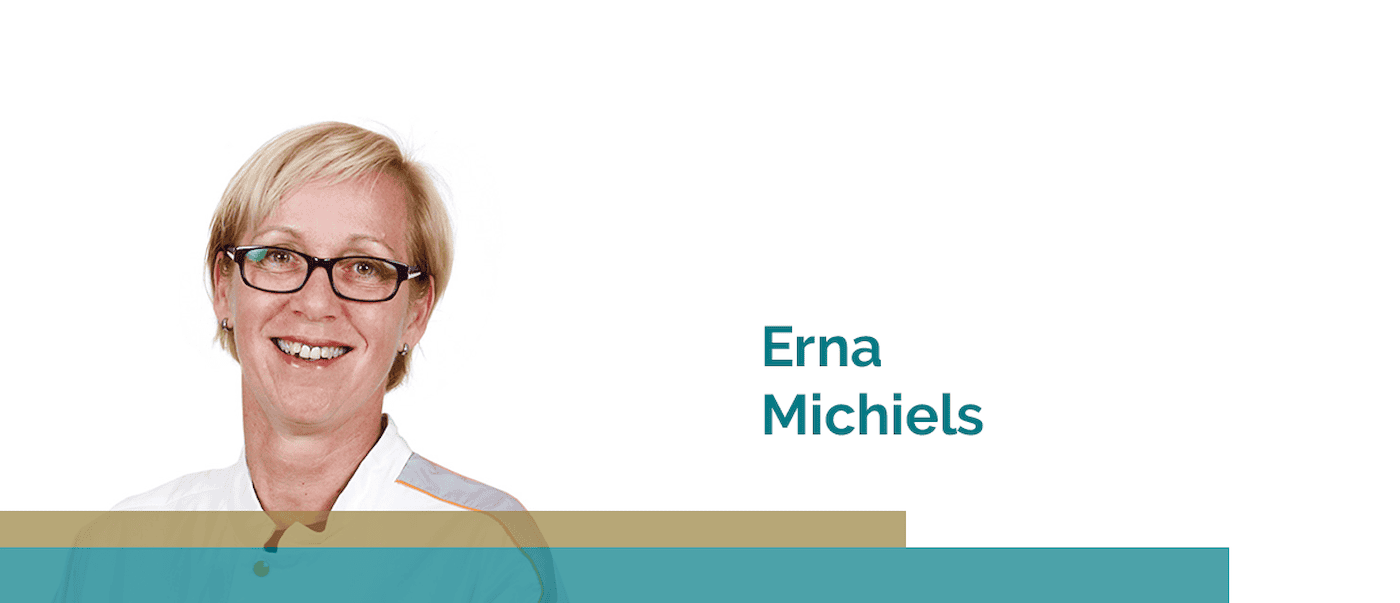
One of the driving forces behind this collaboration is Erna Michiels, paediatric oncologist and chair of the EU Joint Action HOPE4Kids. She sees firsthand what good palliative care can mean – and what happens when it’s missing. “In some countries, there is no paediatric palliative care at all,” she explains. “Children die in terrible circumstances. This project can truly make a difference.”
The European Union is investing 12 million euros to reduce inequality in care. Countries share expertise, learn from each other, and build a solid foundation children everywhere can rely on.
The role of the Netherlands
The Netherlands plays an important part in this effort. The Dutch partners, the Dutch Centre of Expertise for Paediatric Palliative Care and the Princess Máxima Center, help coordinate the project, share knowledge, and develop clinical guidelines. Above all, they work to ensure that the results reach the children and families who need them most.
What the project aims to achieve
The project focuses on several major goals that can make a real difference in families’ daily lives:
- Improved access to palliative care for children across Europe
- Education and training for healthcare professionals
- Clear and practical clinical guidelines Information and support for parents and families
- A sustainable European network for collaboration and research
To understand where the needs are greatest, each country’s current situation will be mapped out. This reveals painful realities. “In some countriesthere are no home care nurses to take care of the children,” Erna says. “It could mean a child can not die comfortably at home. These are the fundamental barriers we want to address.”
Building something that lasts
The project runs for four years, but its impact must continue far beyond that. That’s why there will be online learning programmes accessible to healthcare professionals in all participating countries, regardless of financial resources. There will also be pilot projects, such as introducing an individual care plan. “Such a plan can be incredibly valuable in countries with very few doctors,” Erna says. “It brings clarity and makes care doable, even in challenging settings.”
Beyond cancer alone
Although the project officially falls under Europe’s cancer plan and focuses primarily on children with cancer, the partners deliberately work more broadly. Guidelines and materials are designed so that children with other life-limiting conditions can benefit as well. “In the end, this is about all children who need palliative care,” Erna emphasises.
A chance we cannot afford to miss
For countries where little is arranged yet, this initiative can be the spark that starts real change. For countries like the Netherlands, it is a chance to share knowledge – and to learn from innovative approaches elsewhere. “If we don’t do this, in five years some countries will still be nowhere,” says Erna. “This project can be the engine that finally moves things forward.”